Your First Week With a Kitchen Display System
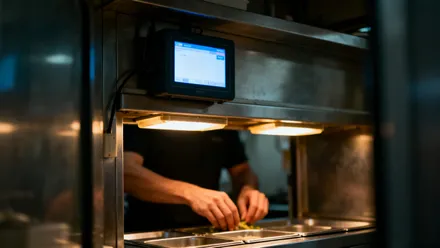
A kitchen display doesn't fix your ticket flow — it shows you that you don't have one, which is exactly what a new operation needs to see.



The Avocado author
Jimmy started Bun Boiz, a college street food stall that grew into a brick-and-mortar restaurant; he sold it after three years. He later founded Savor, a restaurant marketplace app. Now he spends his days with independent restaurant and food truck owners, in English and Spanish.
A kitchen display doesn't fix your ticket flow — it shows you that you don't have one, which is exactly what a new operation needs to see.
A new truck doesn't have an awareness problem, it has a repeat problem — a week-by-week plan that needs no ad spend.
Most bad reviews come from customers who'd have told you directly if you'd asked while they were still holding the food — plus the honest truth about review gating.
Cash discount, dual pricing, and surcharging all move your processing cost to the customer, but they carry different rules and read very differently to a guest.
Followers are rented and phone numbers are owned — how to collect them properly, get consent right, and send messages people don't opt out of.
Standard menu engineering asks which items are popular and which are profitable, then sorts them into four boxes — stars, plow-horses, puzzles, dogs. It's genuinely useful advice, and it was built for a dining room.
I built a restaurant app called Savor. We got to 30,000 users and raised over $750,000. It doesn't exist anymore.
Here's the uncomfortable math on most loyalty programs.
Short answer: in most of the United States, yes — with conditions, and the conditions are where operators get in trouble.
Every commissary listing leads with an hourly rate, and that rate is the least useful number in the deal.